Beauty, unhurried · Palermo, Italy
The slow glow: why restraint photographs better
A little patience, one good window and the confidence to leave space around a subject.
5 min read
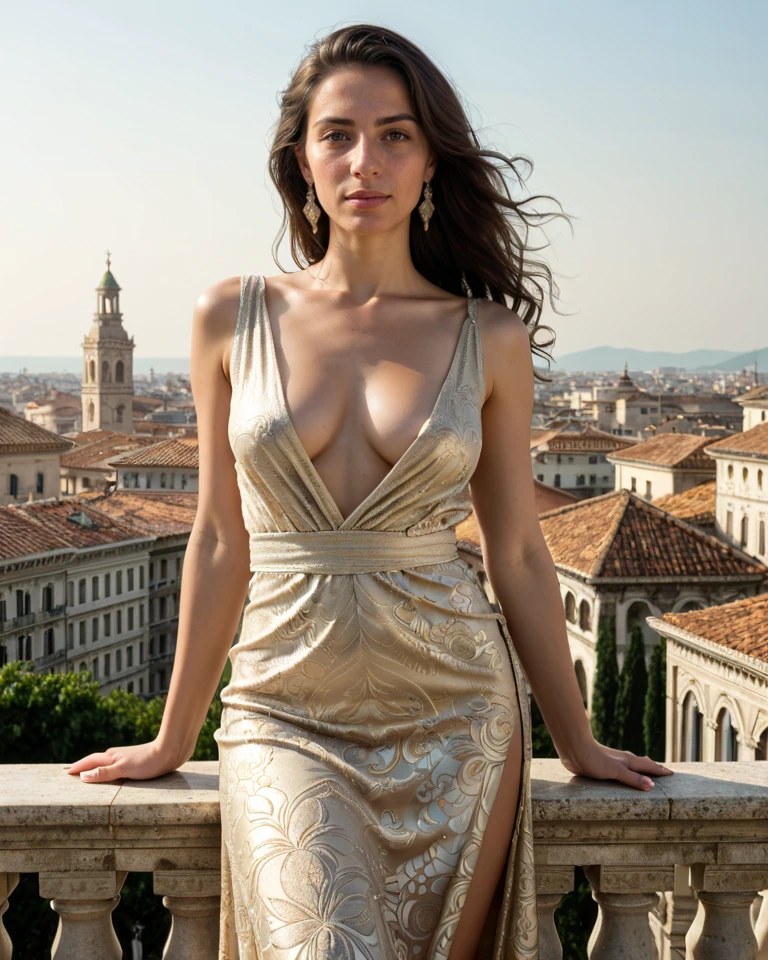
Give the frame somewhere to breathe
A beautiful portrait is not a checklist of expensive things. It is a decision to keep one gesture, one texture and one source of light in the foreground. The rest can fall away.
That restraint makes an image feel personal. A shoulder turned toward a window, a hand on a railing or a pause between conversations says more than a crowded set ever could.
Dress for the atmosphere, not the algorithm
The strongest styling starts with a feeling: late-afternoon heat, a favourite city, the soft confidence of arriving somewhere on time. Build from colour and fabric, then remove one accessory before the picture is taken.
Silk, cotton and a well-cut shirt read beautifully because they catch light without turning it into a performance. The goal is presence, not costume.
Make the subject the author of the image
Ask before photographing. Show the frame back. Let the person choose the version that feels like them. This is not only good etiquette; it is how a portrait gets its ease.
A respectful shoot has a different energy. It leaves room for a person to be playful, quiet or glamorous on their own terms — and that is always more interesting.
Good to know
Questions, answered simply.
What is the easiest way to make a portrait feel less posed?
Give the subject something real to do: lean on a balcony, adjust a sleeve, look toward the light. Small actions create a more natural rhythm than instructions to “look candid”.
Do you need sunset light?
No. Soft daylight by a window is often kinder and easier to control. Sunset simply adds a warm atmosphere when the location supports it.
How should a photographer approach consent?
Discuss the intended use before shooting, check in during the session and never publish an image without clear permission. A subject can change their mind at any point.